Share on the Social Media :
High cholesterol is often called a “silent condition” because it usually doesn’t cause noticeable symptoms. Many people don’t realize they have high cholesterol until it’s discovered during a routine blood test—or worse, after experiencing a heart attack or stroke. Left untreated, high cholesterol can quietly damage your blood vessels for years, increasing your risk of serious health complications.
The good news is that high cholesterol is manageable with the right combination of lifestyle changes, regular monitoring, and medical care. If you’re looking for High Cholesterol Treatment in Germantown, MD, understanding the risks of untreated cholesterol and the available treatment options is the first step toward protecting your heart and overall health.
What Is High Cholesterol?
Cholesterol is a waxy, fat-like substance that your body needs to build healthy cells and produce certain hormones. While your body naturally makes cholesterol, it also comes from foods such as red meat, full-fat dairy products, and processed foods.
There are two primary types of cholesterol:
- Low-Density Lipoprotein (LDL): Often called “bad” cholesterol because it can build up inside your arteries.
- High-Density Lipoprotein (HDL): Known as “good” cholesterol because it helps remove excess cholesterol from the bloodstream.
When LDL cholesterol becomes too high, fatty deposits begin to accumulate in the arteries, restricting blood flow and increasing the risk of cardiovascular disease.
What Happens If High Cholesterol Goes Untreated?
Ignoring high cholesterol can have serious consequences. Over time, excess cholesterol forms plaque inside your arteries, a condition known as atherosclerosis. As plaque builds up, arteries become narrower and less flexible, making it harder for blood to circulate throughout the body.
Without proper treatment, untreated high cholesterol may lead to:
Heart Disease
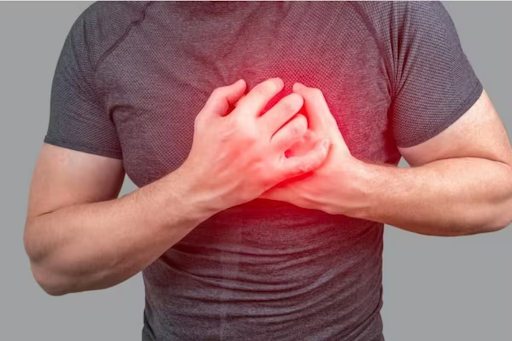
Blocked arteries reduce blood flow to the heart, increasing the likelihood of coronary artery disease and chest pain (angina). If blood flow is completely blocked, it can result in a heart attack.
Stroke
Plaque buildup can also affect the arteries supplying blood to the brain. If blood flow is interrupted, a stroke can occur, potentially leading to permanent disability or life-threatening complications.
Peripheral Artery Disease (PAD)
High cholesterol doesn’t only affect the heart. It can also reduce circulation to the legs and feet, causing pain while walking, slow-healing wounds, and an increased risk of infection.
High Blood Pressure
Narrowed arteries force the heart to work harder to pump blood, which can contribute to high blood pressure and place additional strain on the cardiovascular system.
Reduced Quality of Life
Untreated cholesterol-related conditions can affect daily activities, physical endurance, and overall well-being. Early intervention helps reduce these risks and supports long-term health.
Who Is at Risk for High Cholesterol?
Although anyone can develop high cholesterol, certain factors increase your risk, including:
- Family history of high cholesterol
- Poor dietary habits
- Physical inactivity
- Obesity or excess weight
- Smoking
- Diabetes
- High blood pressure
- Advancing age
Even individuals who feel healthy should have their cholesterol checked regularly, as high cholesterol often develops without symptoms.
Warning Signs You Shouldn’t Ignore
High cholesterol itself rarely causes symptoms, but complications may present with:
- Chest discomfort or pain
- Shortness of breath
- Fatigue during physical activity
- Leg pain while walking
- History of heart attack or stroke in close family members
The best way to detect high cholesterol is through routine blood testing during your annual wellness visit.
How Is High Cholesterol Diagnosed?
Your primary care provider will perform a lipid panel, a simple blood test that measures:
- Total cholesterol
- LDL (bad) cholesterol
- HDL (good) cholesterol
- Triglycerides
Based on your results, age, family history, and overall cardiovascular risk, your provider will recommend the most appropriate treatment plan.
High Cholesterol Treatment in Germantown, MD
If you’re searching for High Cholesterol Treatment in Germantown, MD, personalized care can make a significant difference in protecting your heart and reducing future health risks.
Treatment plans may include:
Heart-Healthy Lifestyle Changes
For many patients, healthy lifestyle habits are the foundation of cholesterol management. Your provider may recommend:
- Eating more fruits, vegetables, whole grains, and lean proteins
- Limiting saturated and trans fats
- Exercising regularly
- Maintaining a healthy weight
- Quitting smoking
- Reducing alcohol consumption
- Managing stress effectively
Prescription Medications
If lifestyle changes alone aren’t enough, your provider may prescribe cholesterol-lowering medications such as statins or other therapies based on your individual health needs.
Regular Monitoring
Managing cholesterol is an ongoing process. Routine follow-up visits and blood tests help monitor your progress and ensure your treatment plan remains effective.
Why Choose Germantown Primary HealthCare?
At Germantown Primary HealthCare, our experienced primary care team focuses on preventive care and long-term wellness. We work closely with patients to identify risk factors, monitor cholesterol levels, and develop personalized treatment plans designed to improve heart health.
Whether you need a routine cholesterol screening, guidance on healthy lifestyle changes, or medication management, our compassionate providers are committed to helping you achieve your health goals.
If you’re seeking trusted High Cholesterol Treatment in Germantown, MD, our team is here to provide comprehensive care tailored to your individual needs.
Tips for Keeping Your Cholesterol Under Control
While medical care plays an important role, simple daily habits can also help improve your cholesterol levels:
- Choose heart-healthy meals rich in fiber.
- Stay physically active for at least 150 minutes each week.
- Avoid tobacco products.
- Limit sugary beverages and processed foods.
- Take medications exactly as prescribed.
- Schedule routine wellness exams and cholesterol screenings.
- Discuss any family history of heart disease with your healthcare provider.
Small, consistent changes can have a meaningful impact on your long-term heart health.
Take the First Step Toward Better Heart Health
High cholesterol may not cause symptoms, but its effects can be serious if left untreated. Early detection, healthy lifestyle choices, and ongoing medical care are essential for reducing your risk of heart disease and stroke.
If you’re looking for compassionate, comprehensive high cholesterol treatment in Germantown, MD, the team at Germantown Primary HealthCare is dedicated to helping you manage your cholesterol and protect your heart. Scheduling regular checkups and following a personalized treatment plan can help you stay healthier today and in the years ahead.
Frequently Asked Questions (FAQs)
1. What causes high cholesterol?
High cholesterol can result from an unhealthy diet, lack of physical activity, smoking, obesity, genetics, certain medical conditions such as diabetes, and increasing age.
2. Does high cholesterol always require medication?
Not always. Some people can lower their cholesterol through diet, exercise, weight management, and other lifestyle changes. However, medication may be recommended if cholesterol levels remain high or if the risk of heart disease is elevated.
3. How often should I have my cholesterol checked?
Most adults should have their cholesterol checked every four to six years. People with diabetes, heart disease, high blood pressure, or a family history of high cholesterol may need more frequent testing based on their provider’s recommendations.
4. Can high cholesterol be prevented?
Yes. Eating a balanced diet, exercising regularly, maintaining a healthy weight, avoiding tobacco, and scheduling routine health screenings can help prevent or manage high cholesterol.
5. Where can I receive High Cholesterol Treatment in Germantown, MD?
If you’re looking for personalized High Cholesterol Treatment in Germantown, MD, Germantown Primary HealthCare offers comprehensive primary care services, cholesterol screenings, lifestyle counseling, medication management, and ongoing support to help you maintain better heart health.