



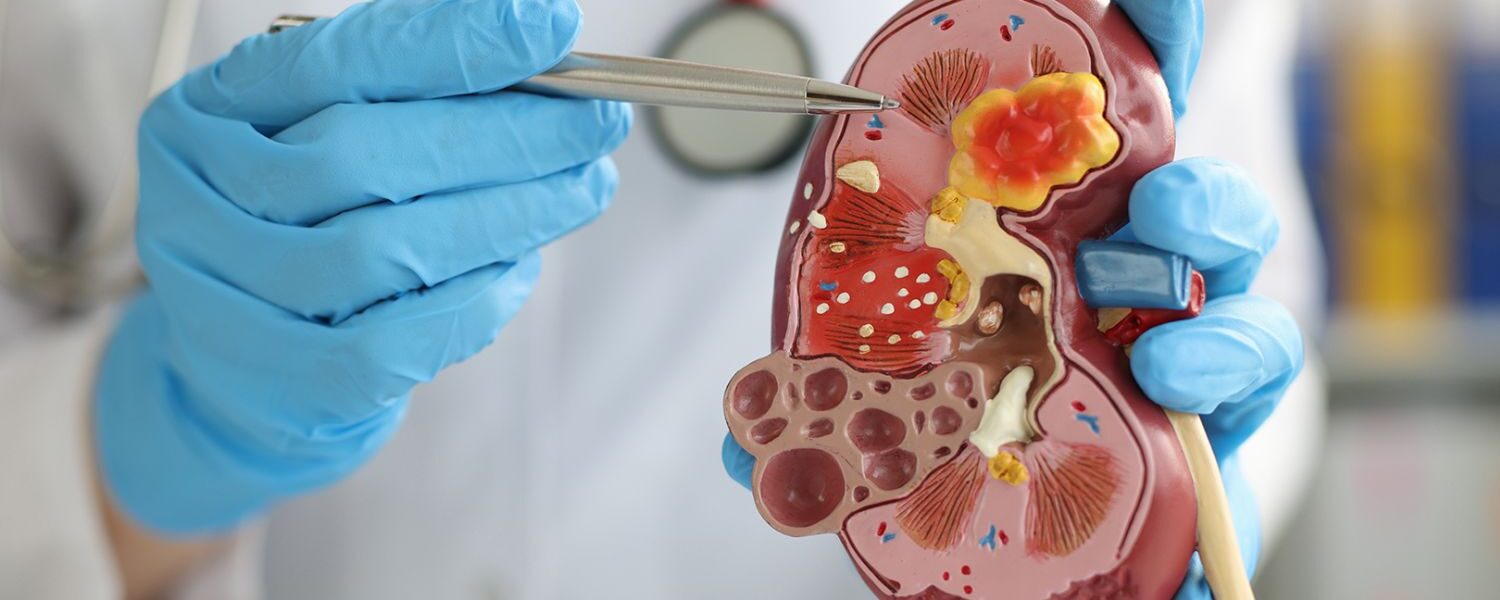
Chronic Kidney Disease (CKD) is a condition where the kidneys gradually lose their ability to filter waste and excess fluids from the blood. This decline can lead to a buildup of harmful substances in the body, affecting overall health. Managing CKD effectively involves a combination of lifestyle changes, medications, and, in advanced cases, treatments like dialysis or kidney transplantation. A well-structured Chronic Kidney Disease Treatment plan can help slow the disease’s progression and improve the quality of life for those affected.
CKD progresses through five stages, from mild damage in Stage 1 to complete kidney failure in Stage 5. Early stages often present with few or no symptoms, making regular check-ups crucial for early detection. As the disease advances, symptoms may include fatigue, swelling in the ankles and feet, shortness of breath, and changes in urination patterns. Common causes of CKD include diabetes, high blood pressure, prolonged use of certain medications, recurrent kidney infections, and genetic conditions.
Adopting a healthy lifestyle is essential in managing CKD and slowing its progression. Key recommendations include:
Dietary Adjustments: Reducing sodium intake helps control blood pressure and minimize fluid retention. Limiting protein consumption can decrease the kidneys’ workload, potentially slowing disease progression. Incorporating more fruits and vegetables can also be beneficial, as they are less acid-producing compared to animal products, supporting kidney health.
Regular Exercise: Engaging in physical activity helps maintain a healthy weight, reduces blood pressure, and improves overall well-being. Aim for at least 30 minutes of moderate exercise most days of the week.
Smoking Cessation: Smoking can worsen kidney damage and increase the risk of cardiovascular diseases. Quitting smoking is essential to protect kidney function.
Hydration: Staying adequately hydrated supports kidney function, but it’s important to consult with a healthcare provider to determine the appropriate fluid intake, especially in advanced CKD stages.
Medications play a vital role in managing CKD and its associated complications:
Blood Pressure Control: High blood pressure accelerates kidney damage. Medications such as ACE inhibitors or ARBs are often prescribed to lower blood pressure and protect kidney function.
Blood Sugar Management: For individuals with diabetes, maintaining optimal blood glucose levels is crucial. Newer medications, like SGLT-2 inhibitors, not only help control blood sugar but also offer protective benefits to the kidneys.
Cholesterol-Lowering Agents: Elevated cholesterol levels can increase the risk of heart disease, which is common in CKD patients. Statins are commonly prescribed to manage cholesterol levels.
Anemia Treatment: CKD can lead to anemia due to reduced erythropoietin production by the kidneys. Treatment may involve iron supplements and medications that stimulate red blood cell production.
In later stages of CKD, when kidney function is severely compromised, more intensive treatments may be necessary:
Dialysis: This process artificially removes waste products and excess fluids from the blood. There are two main types:
Hemodialysis: Blood is filtered through a machine outside the body.
Peritoneal Dialysis: The lining of the abdominal cavity acts as a natural filter with the help of a cleansing fluid.
Kidney Transplantation: Replacing the damaged kidney with a healthy donor kidney can restore normal function. Post-transplant, lifelong medications are necessary to prevent organ rejection.
Ongoing monitoring of kidney function through blood and urine tests is essential to assess disease progression and adjust treatment plans accordingly. Collaborating with a healthcare team, including nephrologists, dietitians, and primary care providers, ensures a comprehensive approach to managing CKD.
Effectively managing Chronic Kidney Disease requires a multifaceted approach that combines lifestyle modifications, medical management, and, when necessary, advanced therapies. Early detection and proactive management are key to slowing disease progression and maintaining quality of life. A well-planned Chronic Kidney Disease Treatment can help patients live healthier and more fulfilling lives.
At Germantown Primary Healthcare, we are dedicated to providing compassionate and comprehensive Chronic Kidney Disease Treatment tailored to each patient’s unique needs. Our experienced team ensures the best possible care, helping patients manage CKD effectively and improve their overall well-being. If you or a loved one is seeking expert guidance, contact Germantown Primary Healthcare today for personalized support.