


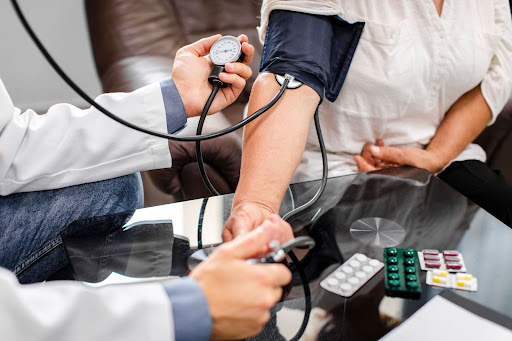
High blood pressure, often called the “silent killer,” is one of those health conditions that can sneak up without obvious symptoms. Many people live for years without realizing their blood pressure is dangerously high. By the time symptoms appear, serious damage to the heart, kidneys, or arteries may have already occurred. That’s why paying attention to the warning signs and getting regular checkups is so important.
Blood pressure is the force of blood pushing against the walls of your arteries. When this pressure stays too high for too long, it puts strain on your blood vessels and major organs, especially the heart. Over time, this can lead to heart disease, stroke, or kidney problems.
High blood pressure can develop for many reasons — family history, an unhealthy diet, being overweight, stress, or a lack of physical activity. Some people also develop it due to other underlying medical conditions or certain medications. The tricky part is that you might feel perfectly fine even when your blood pressure is elevated.
Although high blood pressure often doesn’t cause symptoms, some people may notice:
Frequent headaches or dizziness
Shortness of breath
Blurred vision
Chest pain or tightness
Fatigue or confusion
If you notice any of these signs, don’t brush them off. They could be your body’s way of signaling that something’s wrong. Getting checked early makes a huge difference and can prevent serious complications down the line.
Catching high blood pressure early allows for better control and helps prevent damage to vital organs. Regular health checkups are essential, especially if you have risk factors like a family history of hypertension, diabetes, or obesity. Even if you feel healthy, knowing your blood pressure numbers can help you take proactive steps toward better health.
The good news is that high blood pressure can be managed effectively with the right care. In many cases, simple lifestyle changes combined with medication (when needed) can bring your blood pressure back to a healthy range.
If you live in the Germantown area, you have access to experienced healthcare providers who specialize in managing hypertension. With High Blood Pressure Treatment in Germantown, MD, you can expect a personalized approach designed around your specific needs. This often includes a complete health assessment, lab tests, medication management, and ongoing monitoring to ensure your blood pressure stays under control.
Healthy eating habits: Reducing sodium, eating more fruits and vegetables, and limiting processed foods.
Regular exercise: Even light physical activity, like brisk walking, can have a big impact.
Stress management: Learning techniques such as deep breathing or yoga to reduce daily stress.
Medication adherence: Taking prescribed medicines consistently and following up for adjustments when needed.
These small but meaningful changes can go a long way in improving your heart health and overall quality of life.
Managing high blood pressure isn’t a one-time fix — it’s a lifelong commitment. Having a trusted healthcare team makes that journey easier. Regular checkups help track your progress, make timely adjustments, and keep you motivated to stay on track.
Family support also plays a big role. Simple things like cooking healthy meals together, walking as a family, or encouraging each other to stay active can make the process more sustainable.
High blood pressure can result from several factors including genetics, poor diet (especially high salt intake), lack of exercise, obesity, stress, or certain medical conditions such as diabetes and kidney disease.
While high blood pressure can’t always be completely cured, it can be effectively managed with proper treatment, lifestyle changes, and regular monitoring. Many people maintain healthy blood pressure levels through consistent care.
If you’ve been diagnosed with hypertension, your doctor may recommend checking it at least once a week or as advised. For those at risk, regular checkups every few months are a good idea to catch changes early.
Eating a balanced diet, staying active, reducing salt, managing stress, avoiding smoking, and limiting alcohol intake can all help lower blood pressure naturally.
You should see a doctor if you experience symptoms like chest pain, frequent headaches, dizziness, or if you have a family history of hypertension. Early evaluation can help prevent serious complications.
Ignoring the signs of high blood pressure can have serious consequences, but taking action early can protect your health for years to come. Whether you’ve just been diagnosed or are at risk, the key is to seek professional guidance and make small, consistent lifestyle changes.
Your heart deserves the best care possible — and Germantown Primary HealthCare is here to help you every step of the way with compassionate, personalized care focused on your long-term wellness.